
You can walk into any facility in the world — from a high-tech manufacturing plant to a dusty welding shop — and find safety rules.
They’re framed on walls.
Typed neatly in handbooks.
Filed in managers’ offices.
But here’s the real question:
Do you have a safety culture… or just safety rules?
You can’t read safety culture.
You have to feel it.
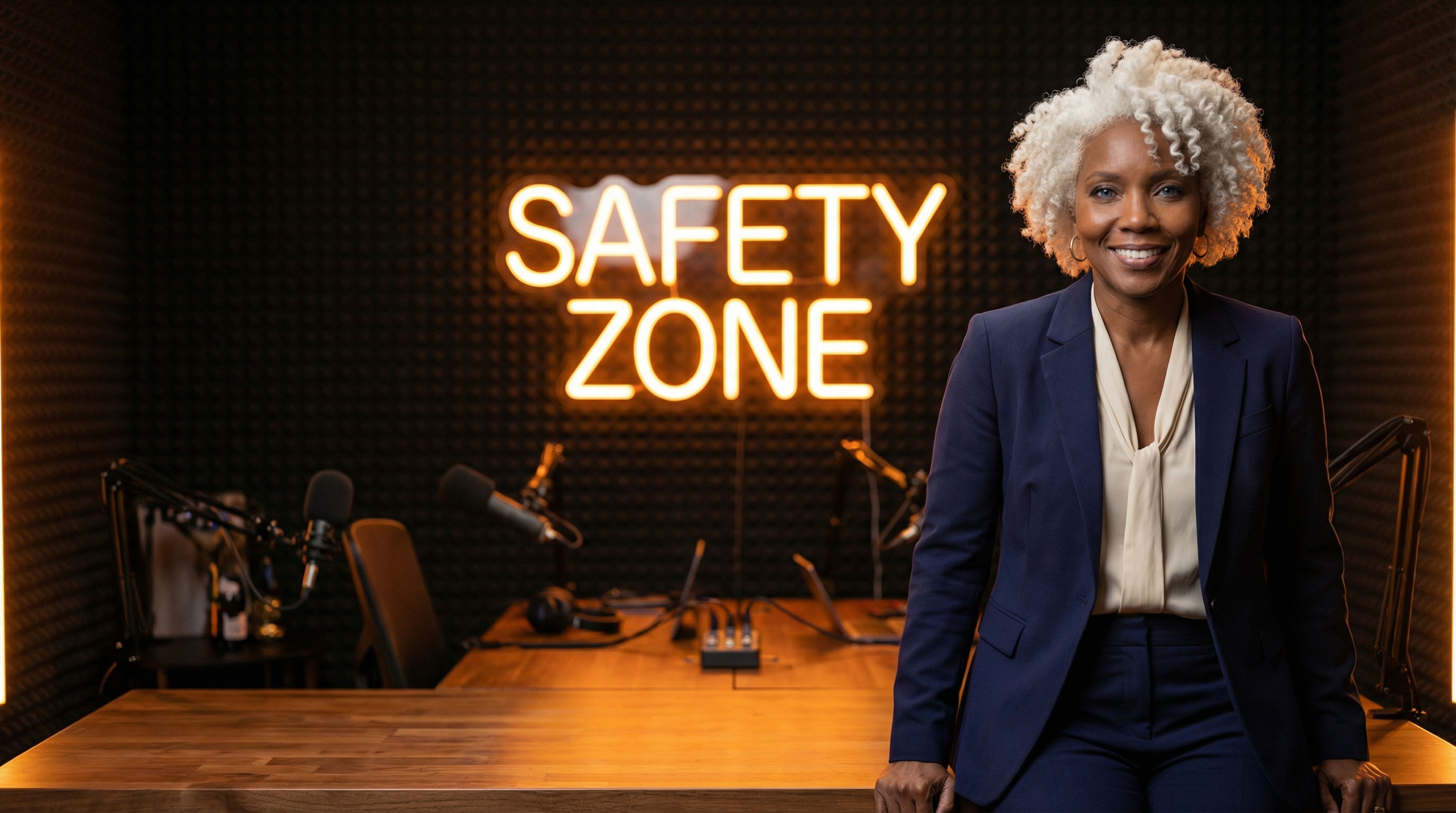
In the latest episode of Safety Zone, we explore the uncomfortable truth about workplace safety culture — and why rules alone are not enough to prevent accidents.
The Paper Tiger Problem: Why Safety Rules Aren’t Enough
Rules are essential. They define procedures, reduce liability, and set expectations.
But rules are static.
They rely on external enforcement.
If a worker wears safety glasses only because they’re afraid of being written up, you don’t have a safe worker — you have a compliant one.
And compliance disappears the moment supervision leaves the room.
That’s the hidden weakness in many workplace safety programs.
Without culture, rules become paper tigers.
The Shortcut Test: A Simple Way to Measure Safety Culture
How do you know whether your organization truly has a safety culture?
I call it The Shortcut Test.
Picture this:
-
- Production is behind schedule.
-
- The client is demanding delivery.
-
- It’s 4:45 PM on a Friday.
-
- A machine needs a quick grind.
-
- Getting a face shield takes 2 minutes.
-
- Grinding without it takes 30 seconds.
Now ask yourself:
In a Rules-Based Environment:
The worker checks if the supervisor is watching… and takes the shortcut.
In a Culture-Based Environment:
The worker grabs the shield — because protecting their eyesight matters more than the deadline.
That’s the difference between compliance and commitment.
The Mentor Effect: How Safety Culture Is Really Built
Workplace safety culture isn’t built through memos.
It’s built through modeling.
In this episode, we explore the relationship between Jack, a veteran welder, and Leo, a rookie.
When Jack sees Leo skipping a safety step, he doesn’t yell.
He doesn’t write him up.
Instead:
-
- Jack puts on his own protective gear first.
-
- He hands Leo the shield.
-
- He waits.
That simple act sends a powerful message:
“We look out for each other here.”
Jack isn’t acting like a policeman.
He’s acting like a mentor.
And mentorship builds psychological safety — the foundation of real workplace safety culture.
Moving from Safety Compliance to Safety Commitment
If you want to build a strong safety culture in your organization, focus on these three leadership actions:
1. Celebrate Safe Catches
Don’t just track accidents.
Track the times someone stopped work to fix a hazard.
Recognize proactive behavior.
2. Empower the Frontline
Give every worker — especially rookies — the authority to stop work if they feel unsafe.
Safety ownership must exist at every level.
3. Lead by Example
If a manager walks the floor without safety glasses, the culture collapses instantly.
Culture follows behavior — not policy.
You Can’t Write Safety Culture. You Have to Build It.
Safety culture isn’t a policy document.
It’s:
-
- A handshake.
-
- A helmet strap.
-
- A veteran setting the standard.
-
- A rookie feeling safe enough to speak up.
Rules prevent liability.
Culture prevents injuries.
So ask yourself again:
Do you have a safety culture… or just rules?
